
Ah, the blues – a musical genre that perfectly captures the trials and tribulations of life. From heartbreak to hard times, the blues have been making people feel better about feeling bad for over a century. And while the music itself is enough to make anyone tap their toes and nod their head, it’s the lyrics that really make the blues stand out.
You see, the blues are known for their clever use of double entendres – words or phrases that have a second, often sexual, meaning. These innuendos are hidden in plain sight, and it’s up to the listener to catch them. So, if you’re feeling down and in need of a laugh, let’s take a look at some classic examples of blues double entendres.

First up, we have the king of the blues himself – B.B. King. In his song “The Thrill Is Gone,” B.B. sings about the end of a relationship, but he’s not just talking about his broken heart. Take a look at these lyrics:
“The thrill is gone, the thrill is gone away
The thrill is gone, the thrill is gone away
You know you done me wrong, baby
And you’ll be sorry someday”
Sure, on the surface it seems like a sad song about lost love, but when you think about it, there’s a definite sexual undertone to those lines. After all, what else could “the thrill” be referring to? And when B.B. sings “you’ll be sorry someday,” you can’t help but wonder if he’s talking about something a little more…personal.
Next, let’s take a look at the legendary Muddy Waters. In his song “I Can’t Be Satisfied,” Muddy sings about his desire for something he just can’t seem to get enough of. Take a look at these lyrics:
“Well I’m goin’ away to leave, won’t be back no more
Goin’ back down south, child, don’t you want to go?
Woman I’m troubled, I be all worried in mind
Well baby I can never be satisfied, and I just can’t keep from cryin'”
Now, it might seem like Muddy is just singing about wanting to go back home, but when he says “baby I can never be satisfied,” it’s hard not to chuckle. And when he follows it up with “I just can’t keep from cryin’,” well, it’s pretty clear what he’s talking about.
Last but not least, we have the incomparable Etta James. In her song “I Just Want To Make Love To You,” Etta sings about her desire to please her man. Take a look at these lyrics:
“I don’t want you to be no slave
I don’t want you to work all day
But I want you to be true
And I just wanna make love to you”
Now, on the surface it might seem like Etta is just expressing her love for her man, but when she says “I don’t want you to be no slave,” you can’t help but think she’s talking about something a little more…intimate. And when she follows it up with “I just wanna make love to you,” well, there’s no mistaking what she’s after.
Now, let’s dive a little deeper into the world of blues double entendres. While B.B. King, Muddy Waters, and Etta James are certainly some of the most iconic blues musicians of all time, they’re far from the only ones who have used clever innuendos in their lyrics.
For example, take a look at this classic song by Lightnin’ Hopkins called “Black Cat Bone.” In it, he sings about the power of a certain type of bone that can bring him good luck in his love life:

“I believe, I believe my baby’s been using that old black cat bone
You know I believe, I believe my baby’s been using that old black cat bone
Well, you know she walked under a ladder and she broke a looking glass
And it’s just about to make me break my baby’s back”
Now, on the surface, this might seem like a pretty standard blues song – he’s singing about his woman and his bad luck. But when you realize that “black cat bone” is actually a euphemism for a certain part of the male anatomy, the song takes on a whole new meaning. And when he sings about his baby breaking a looking glass and walking under a ladder, it’s pretty clear what kind of bad luck he’s talking about.
Another classic example of a blues double entendre can be found in the song “Shave ‘Em Dry” by Lucille Bogan. This song is famous for its explicit lyrics and its unabashed celebration of sexuality. Take a look at these lines:
“I got nipples on my titties, big as the end of my thumb
I got somethin’ between my legs that’ll make a dead man come
Oh daddy, baby won’t you shave ’em dry?”
Now, it’s pretty clear what she’s talking about here, and it’s not exactly subtle. But what makes this song so unique is the fact that it’s a woman singing about her own sexuality in a way that was unheard of at the time. Lucille Bogan was known for her bawdy lyrics and her unapologetic celebration of her own desires, and “Shave ‘Em Dry” is a perfect example of that.
Of course, not all blues double entendres are quite so explicit. Sometimes, they’re a little more subtle, like in this song by Bo Diddley called “I’m a Man”:
“I’m a man, spelled M-A-N, man
All you pretty women, stand in line
I can make love to you, baby, in an hour’s time
Ain’t that a man?”
On the surface, this might seem like a pretty straightforward song – he’s bragging about his masculinity and his ability to please women. But when you consider the fact that he’s spelling out the word “man,” it’s pretty clear that there’s a little more going on here. And when he sings about being able to make love to a woman in an hour’s time, well, you don’t have to be a genius to figure out what he’s talking about.
It’s worth noting that the use of double entendres in the blues wasn’t just for shock value or to be raunchy. In fact, many of these innuendos were used as a way for African American musicians to express their sexuality and desires in a society that often oppressed them.
During the early 20th century, when the blues was first becoming popular, African Americans faced a great deal of discrimination and prejudice. Many white Americans saw them as second-class citizens and viewed their culture as inferior. This meant that African American musicians had to be careful about what they sang and how they expressed themselves in their music.
Double entendres became a way for blues musicians to talk about sex and desire without being too explicit or offensive to white audiences. By using clever wordplay and innuendo, they could get their message across while still flying under the radar of censors and other authority figures.
But the use of double entendres wasn’t just a way to avoid censorship – it was also a way to connect with audiences on a deeper level. Blues music was often played in juke joints and other venues that catered to African Americans, and these places were often seen as safe spaces where people could be themselves and express themselves freely. By using innuendo and other subtle language, blues musicians could create a sense of camaraderie and shared experience with their listeners.
Of course, not all blues double entendres were created equal. Some were more explicit than others, and some were more cleverly hidden. But regardless of how they were used, these innuendos played an important role in the development of the blues and helped to shape the genre into what it is today.
In addition to the musicians we’ve already mentioned, there are countless other blues artists who have used double entendres in their music. For example, there’s Robert Johnson, who sang about his “sweet jelly roll” in the song “Traveling Riverside Blues.” And then there’s Big Mama Thornton, who famously sang about “Hound Dog” – a song that Elvis Presley would later cover and turn into a pop hit.

So the next time you’re listening to the blues, keep an ear out for those double entendres. They might make you blush, they might make you laugh, but most importantly, they’ll remind you of the ingenuity and creativity of the musicians who pioneered this incredible genre of music.
So there you have it – just a few examples of the clever double entendres that make the blues so much fun to listen to. And while we may never know for sure what these legendary musicians were really singing about, one thing’s for sure – the blues will always have us laughing and nodding our heads along to the beat.
Copyright Abby Owen 2023
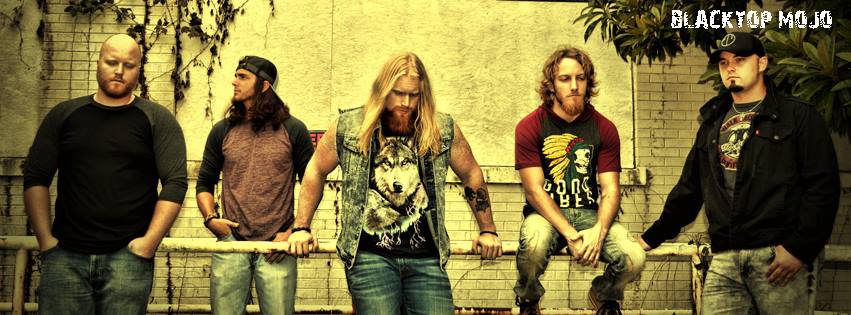

 Although they all contribute to the writing of the music, I cannot stress enough how impressed I am with the lyrics on all these album tracks. So much so, I had to find out who primarily writes the lyrics for the band, and I learned for this album it was mostly Matt James, vocalist and front-man. I’ve met Matt. It was shortly before the album dropped, in a small club in Baytown TX and he was the nicest, most humble guy in the world, and all the more reason I am thrilled to see them getting so much good recognition with this album. He isn’t the only writer, but he really shines on this one.
 Their live shows are incredible too; very professional and every bit as sharp and tight as the studio work. It wasn’t all that surprising to see them picked to open for Bon Jovi in early 2017 after winning a video contest, and then playing behind Sammy Hagar at SXSW in Austin shortly after. Right place, right time? …or competent and capable of stepping onto the ‘Big Stage’ with ease? Maybe a little of both. I mustn’t fail to mention their cover of ‘Dream On’ by Aerosmith is…dare I say, almost better than the original. Completely on point and very enjoyable.


 thebluesdepartment
Recent Comments